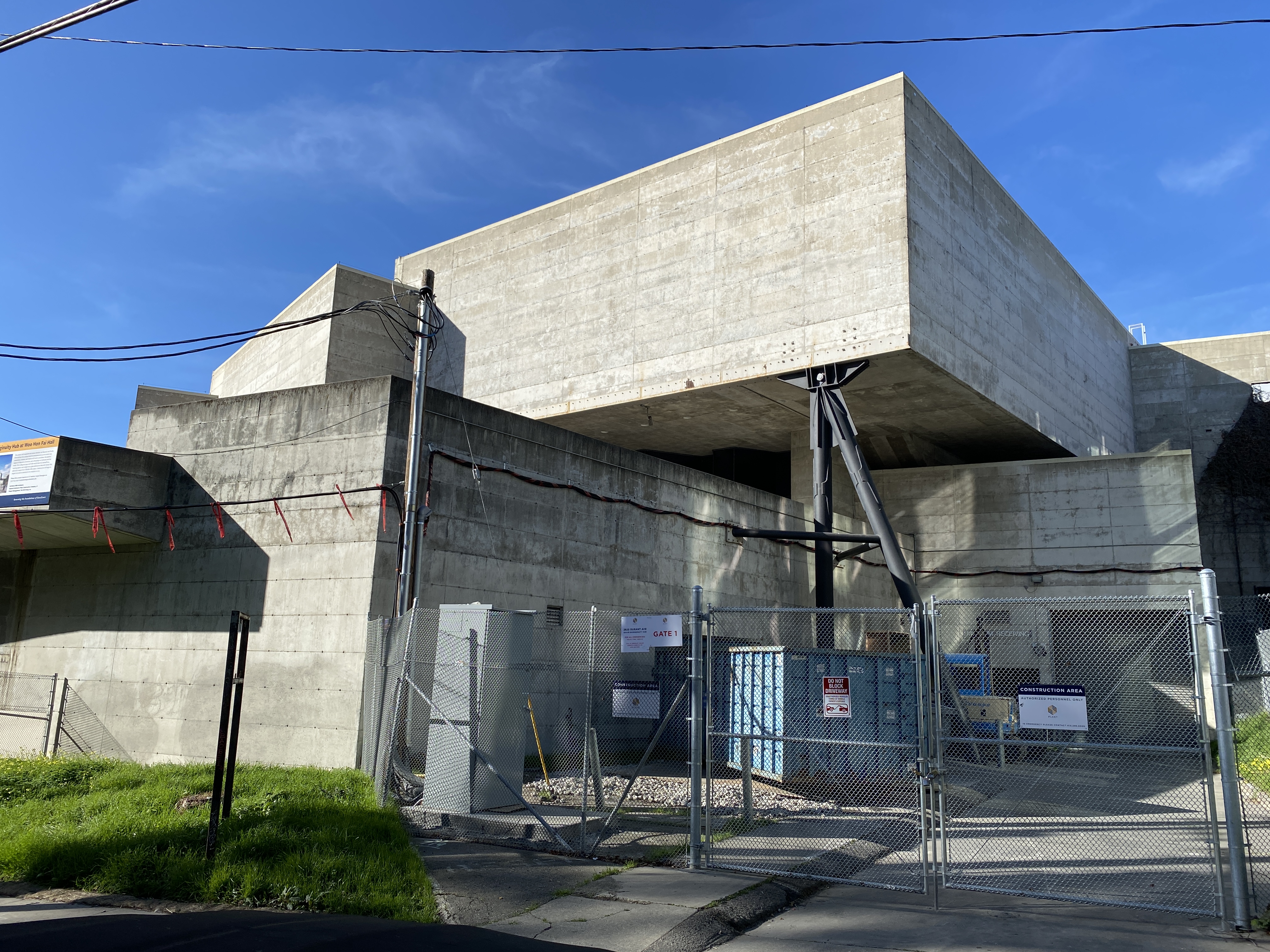
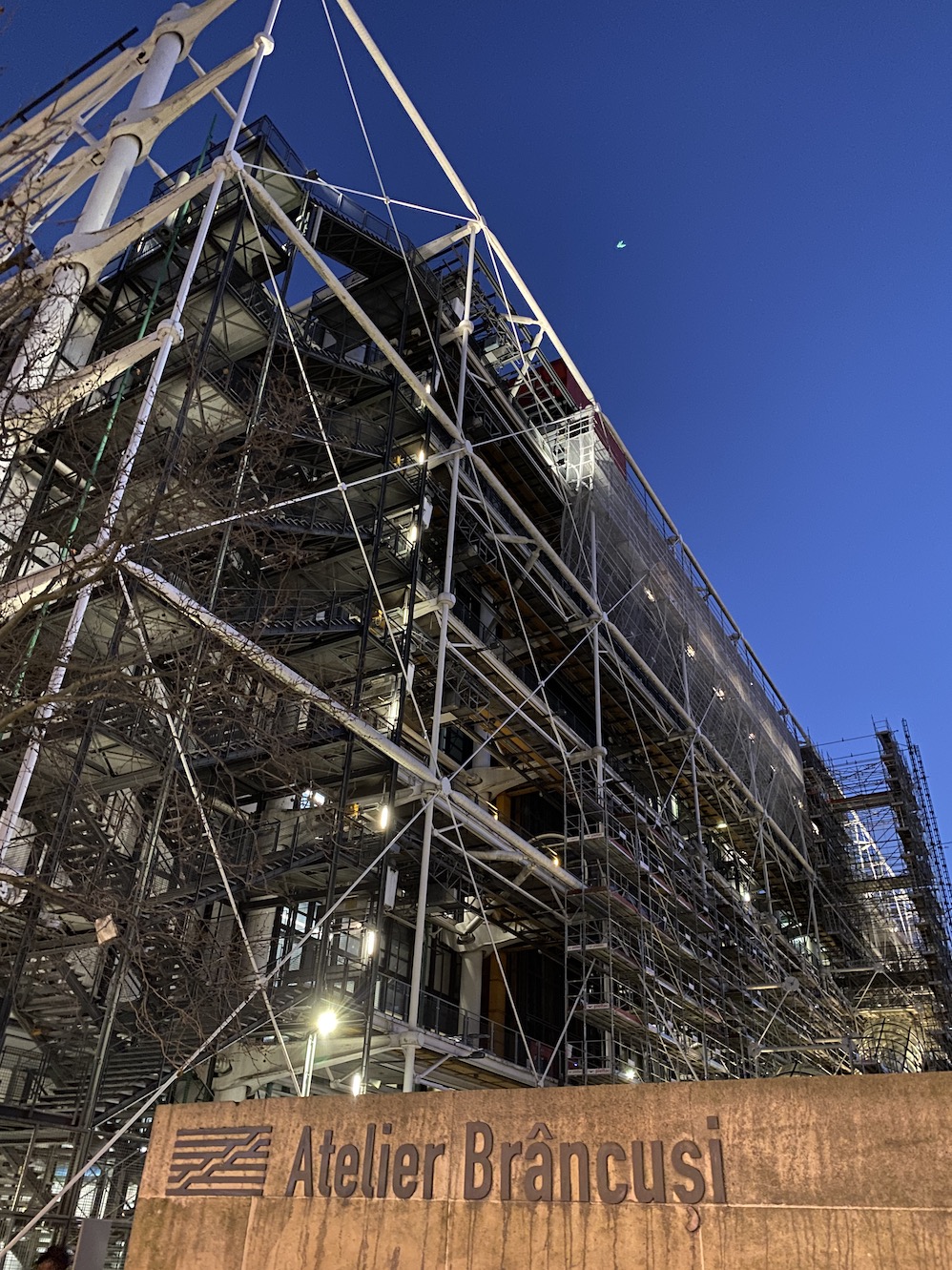
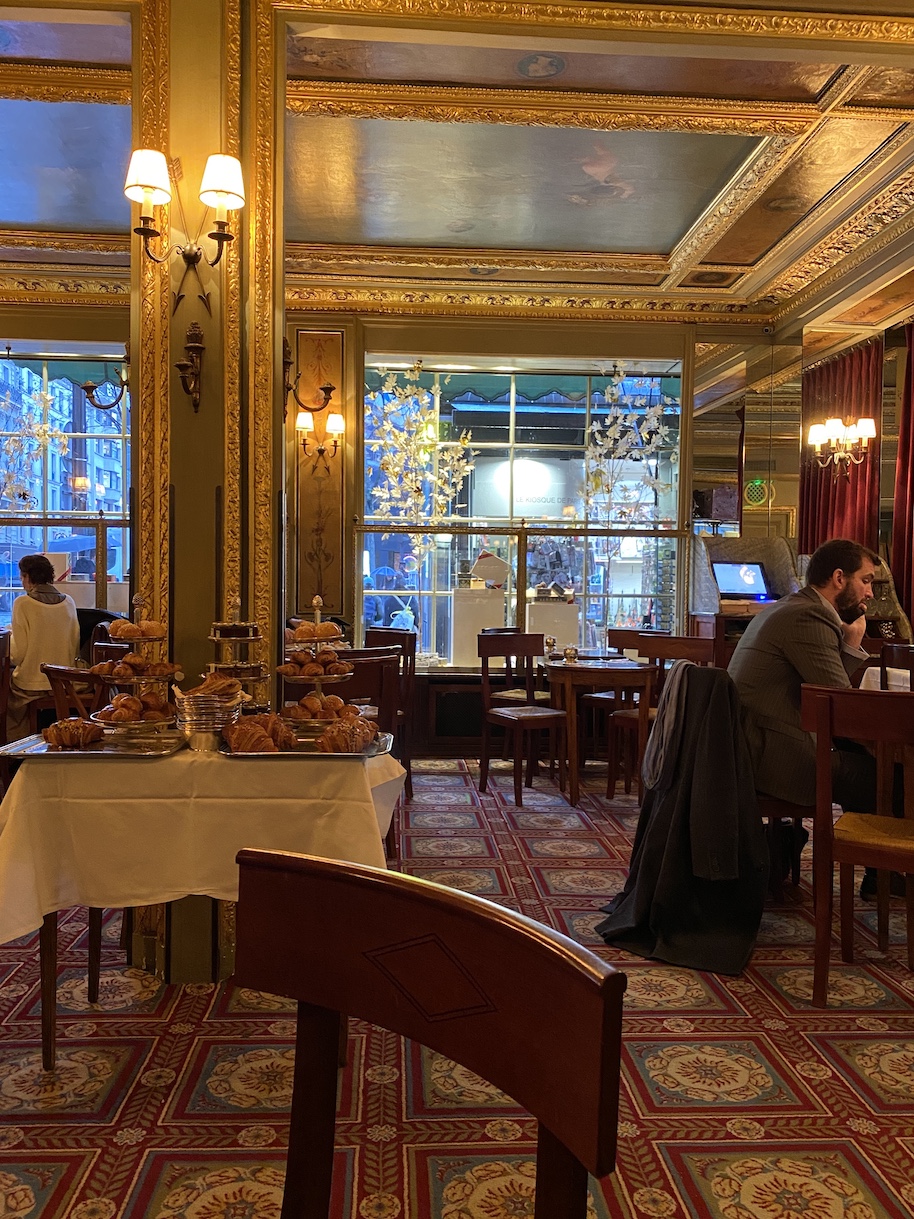
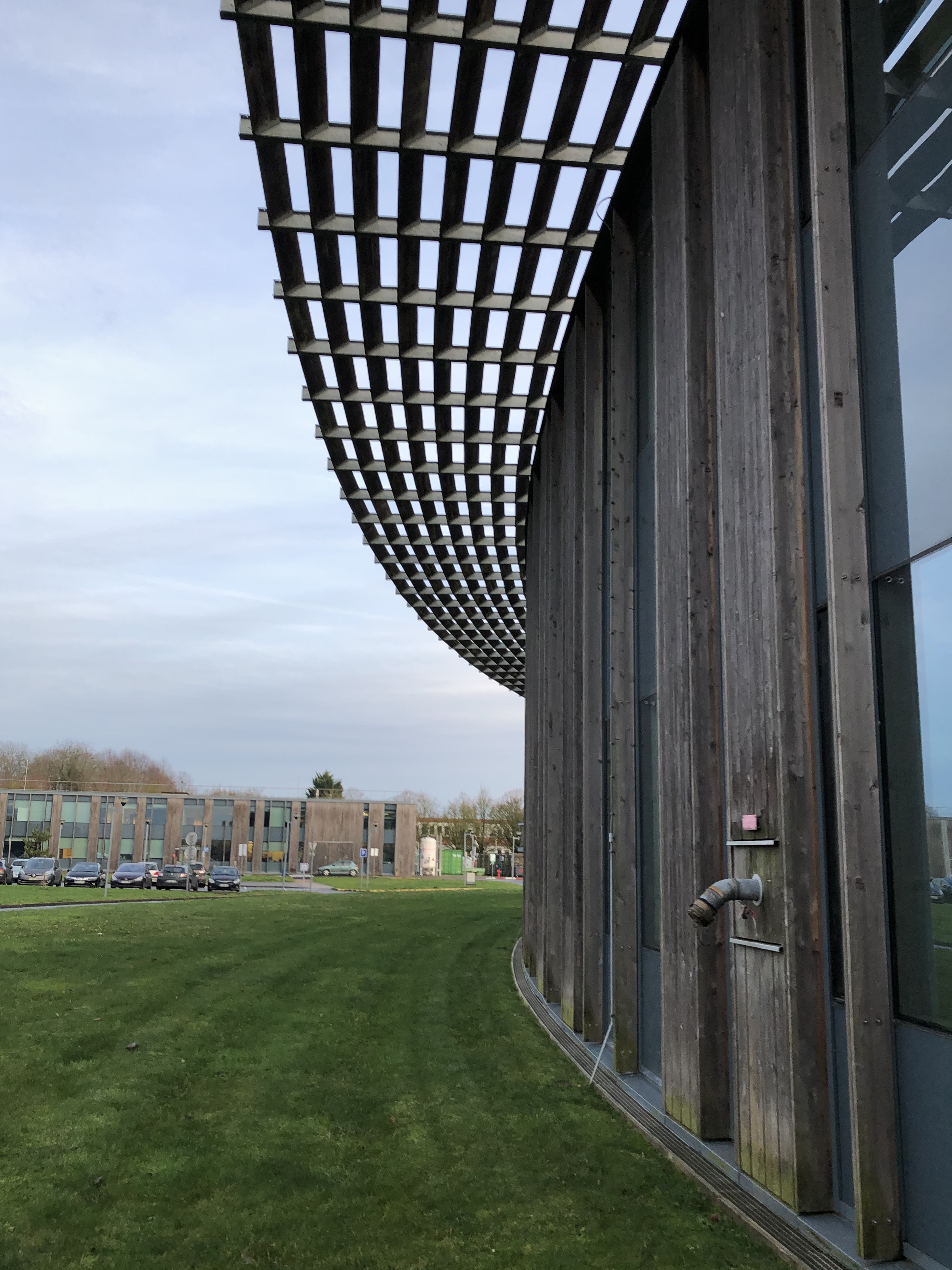
Because we’re in time of covid, it’s good to look back at the beauty of a vibrant city and all the things we miss. Here’s guide I made for a friend, and shared with a few others when they asked me what should the absolutely not miss in Paris. Enjoy!
Here are a few addresses you might want to look up during your stay in Paris, that will not be in tourist guides:)Today is Earth Day, a celebration of Earth and the environment started fifty years ago. This year, as the covid-19 pandemic upends the regular unfolding of the world, we can step back and ask how what we learn from the current crisis can help us scientists make science better and more efficient to curb climate change and its consequences.
Here’s a set of eight question to ponder about this, and some preliminary thoughts gleaned during a forum@ESA.1. The interdependence of the supply chain has become very apparent. Can we make the case for renewable energy in terms of resilience of systems?Solar energy is the only form of energy available everywhere on the planet: all others need to be transported and transferred. Geothermal energy should also be tapped (it is essentially low grade solar energy!)2. The dramatic reduction of activity in urban centers has brought back clean air in some cities for the first time in decades. Can we envision a world without emission, from energy production to energy use?Cars on the road have the most impact – we need to switch to switch transportation modes. We could have electrical energy on tracks, some flavor of autonomous driving could quickly provide modular transportation schemes. We also need to change how some cities are built, to make it easier to have common transportation (relative location of schools, business and housing)3. The current covid-19 crisis is global, and scientists have broken paywalls and started new collaborations with their peers around the globe. What can we learn from this, and promote meaningful collaborations?Open Access is on the rise (Project DEAL, Plan S, White House Open Access plan.) Wikipedia is a great resource, completely under-used; it seems that it stems from the issue of ownership (who gets to write on who? and who gets the credit for this work?) We can also rethink research tools, to make them more efficient and more collaborative. The way academia is organized (race to tenure, etc.) may hamper collaboration and therefore innovation.4. The global economy has been hit severely, and it will be important to promote new economic activity when the outbreak will be over. How can energy technologies inform policies and shape capital projects?We could build mass transportation system, with initiatives similar to the New Deal (infrastructure is manual labor intensive.) Science can help to find which are the most effective or efficient ways (data science and machine learning.) Scientists could work in tandem with civil engineers, maybe using their school network to reconnect. There should be incentives for scientists to do so.5. The disruption school year has taken a toll on kids and parents alike. How can scientists engage with students, when the distance is measured in bits per seconds rather than miles?It would be good to reuse and repurpose older devices. There could be an open OS for discarded devices that would provide minimal functions (video conferencing, calculator, etc.) Scientists should also learn to mentor without physical presence (though one-on-one interaction is important), and therefore allow more frequent interactions, over larger distances.6. When resources are lacking – masks, ventilators,– engineers and scientists devise creative ways to fill the need using available resources and altering them. How could we repurpose existing facilities to help with climate change?7. The shelter-in-place is difficult to negotiate, but as anthropogenic emission of CO2 affects the environment, it may become routine. How can we fix the harm done using science and technology?8. There is a lot of contradictory information being circulated around the epidemic. How can scientists help disseminate information and prevent the spread of alternative facts? In addition, here are some historical and current resources on Climate Change:
I also made a thread about Berkeley Lab Art Rosenfeld on his Art of Energy Efficiency.
Continue readingThe world is burning with fear, and the best thing we can do is the burn the fear with arts – and that’s the central appeal of Burning Man.
Burning Man is a ten-day long arts festival in the desert, in Black Rock City, NV (a 4 hours drive from San Fransisco) and usually held at the end of August, where people come for the peculiar experience, littered with real life arts. This event is among the only in the world where people do art for the sake of art, without galleries or commissioning needed, thanks to its sheer scale and captive audience (70,000 people over a week.) There are many groups of artists preparing arts year long, in the hope to touch the heart of others; some even get commissioned and get to build real big stuff. Some of them may be ephemeral, but their legacy lives on.The influence of Burning man runs deep, especially in the Bay Area. For example, the lights blinking on the Bay Bridge (Bay lights) where partly an offshoot of a Burning Man project by Leo Villareal, whereas the “Day For Night” built on Jim Campbell’s experience. The latter recently had an exhibition at the Hosfelt gallery in San Francisco which was… illuminating.
The sculptor Marco Cochrane is also famous for the Bliss series, his large sculptures of iron mesh of dancing characters, found on Treasure Island and at festival in California.There was recently a very tiny retrospective of Burning Man arts at the Oakland Museum of California, No Spectator: The Art of Burning Man. It didn’t render the scale of the event, but it allowed people to get a sense of what’s happening there, and tell the history of the event. Continue reading
You’ll need to drive a littlemore, but these are splendid hikes:
and here’s a few more: Best beginner hikes in the Bay Area!
* * *Additional suggestions:You can also discover a lot of crazy place in Berkeley by just walking around in the streets:
https://www.berkeleyside.com/tag/quirky-berkeleyhttps://www.newyorker.com/business/currency/things-quirky-berkeleyhttps://www.nytimes.com/2014/10/12/travel/things-to-do-in-36-hours-in-berkeley-calif.htmlhttps://www.berkeleyside.com/2021/02/02/what-are-your-favorite-places-in-berkeley-berkeley-rep-audio-serieshttps://www.berkeleyside.com/2021/02/08/part-2-your-favorite-places-inspired-by-berkeley-reps-place-settingsLast year I’ve discovered Paddy McAloon’s re-edition of “I Trawl the Megahertz” (published as Prefab Sprout) in happenstance. I was listening to Spotify, and this beautiful instrumental piece showed up, with hesitating strings and a cold voice, which was not too dissimilar to Woodkid’s On Then and Now which I had been drawn to earlier in the season.
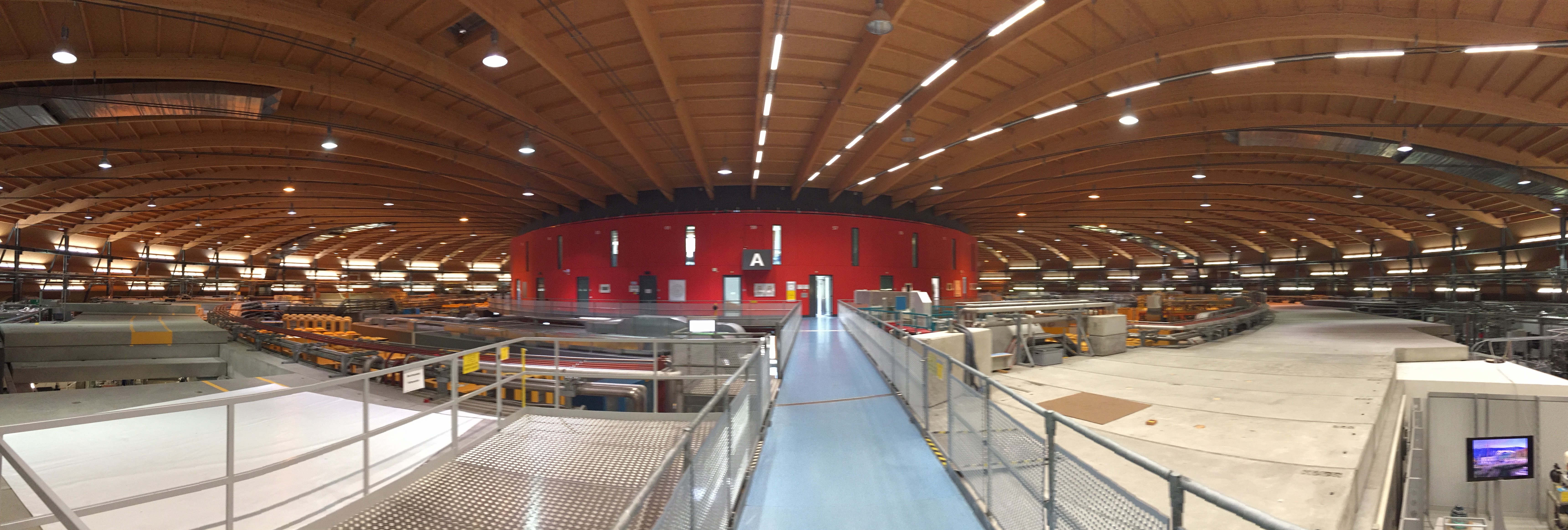
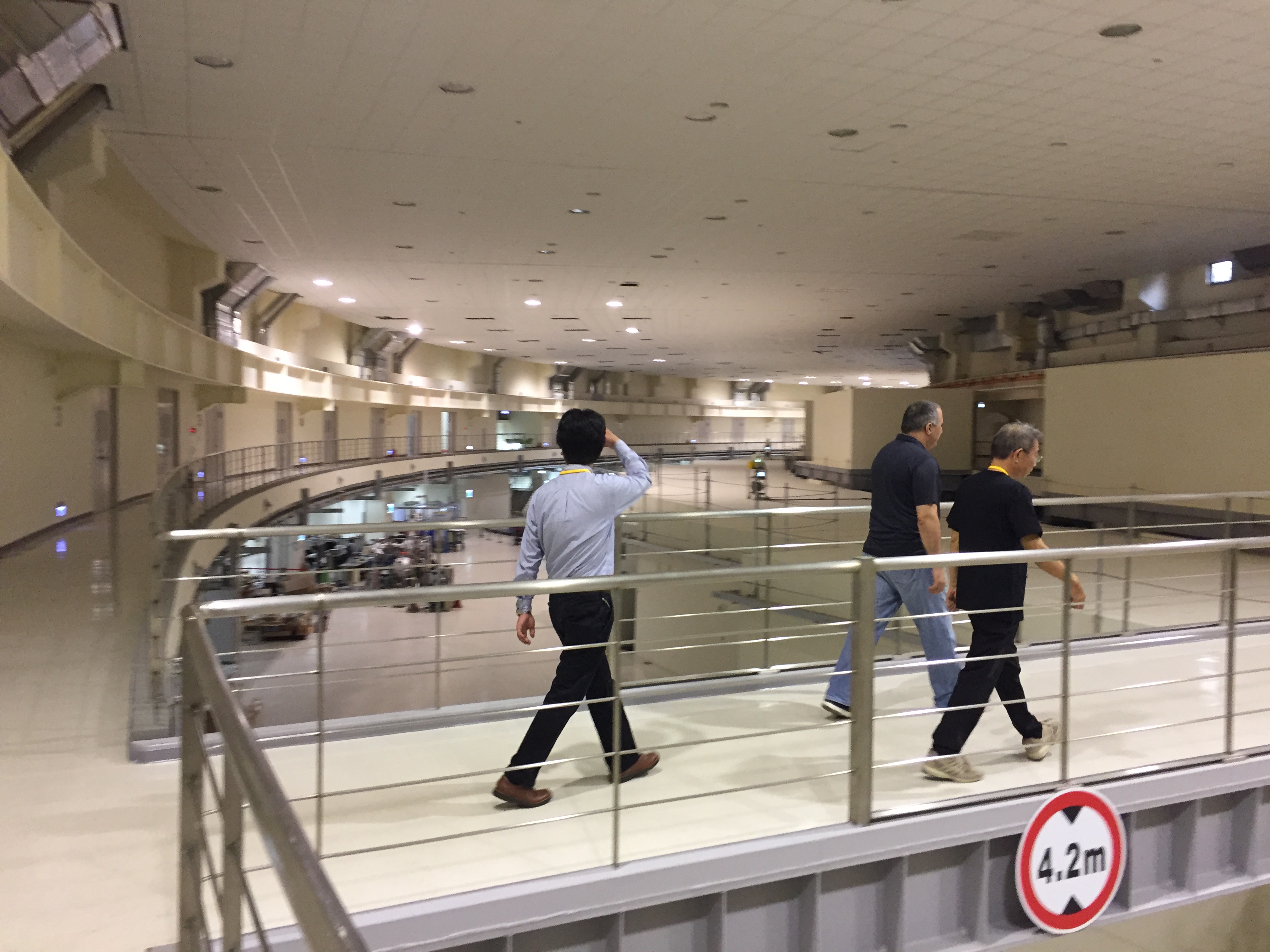
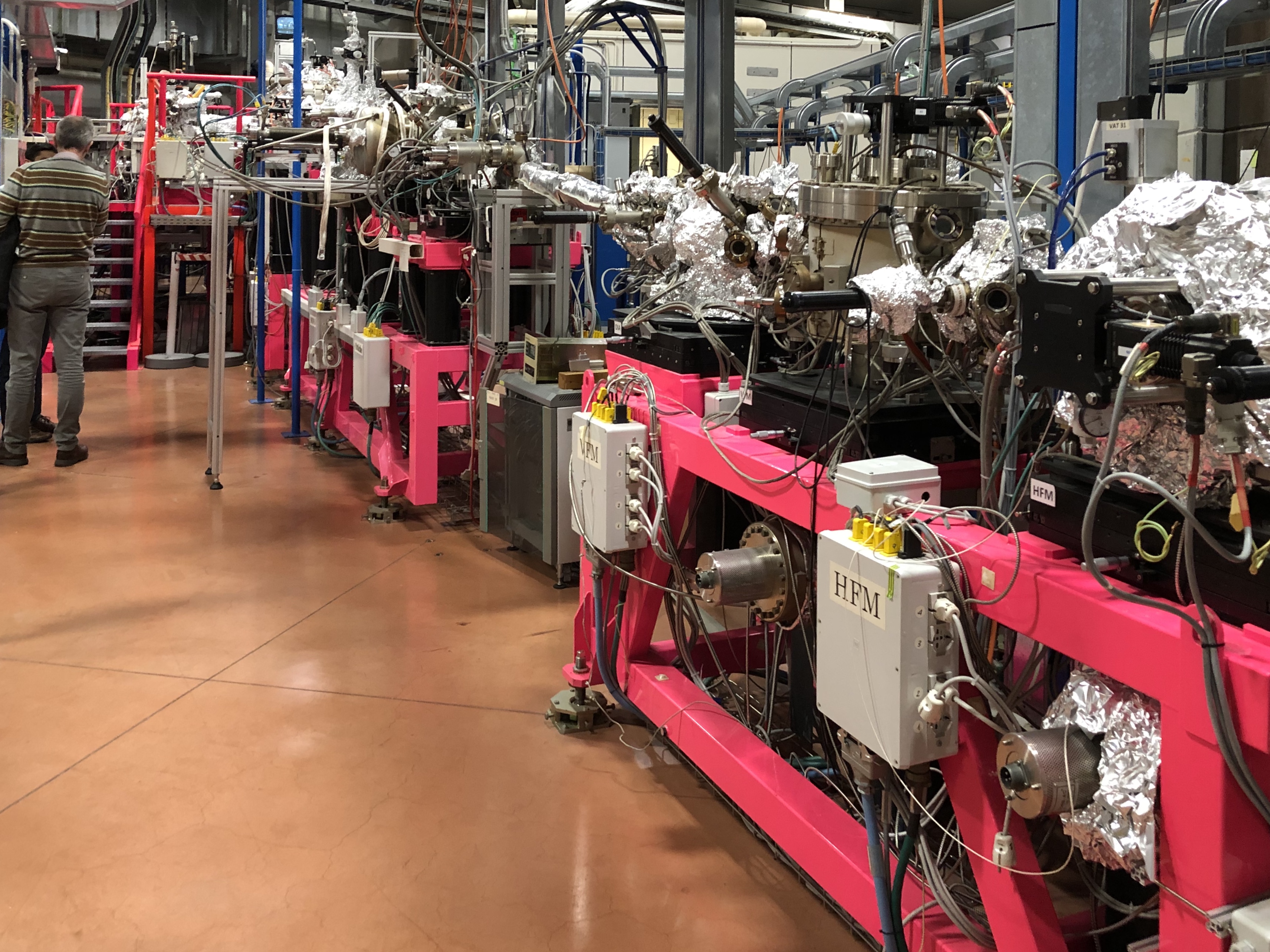
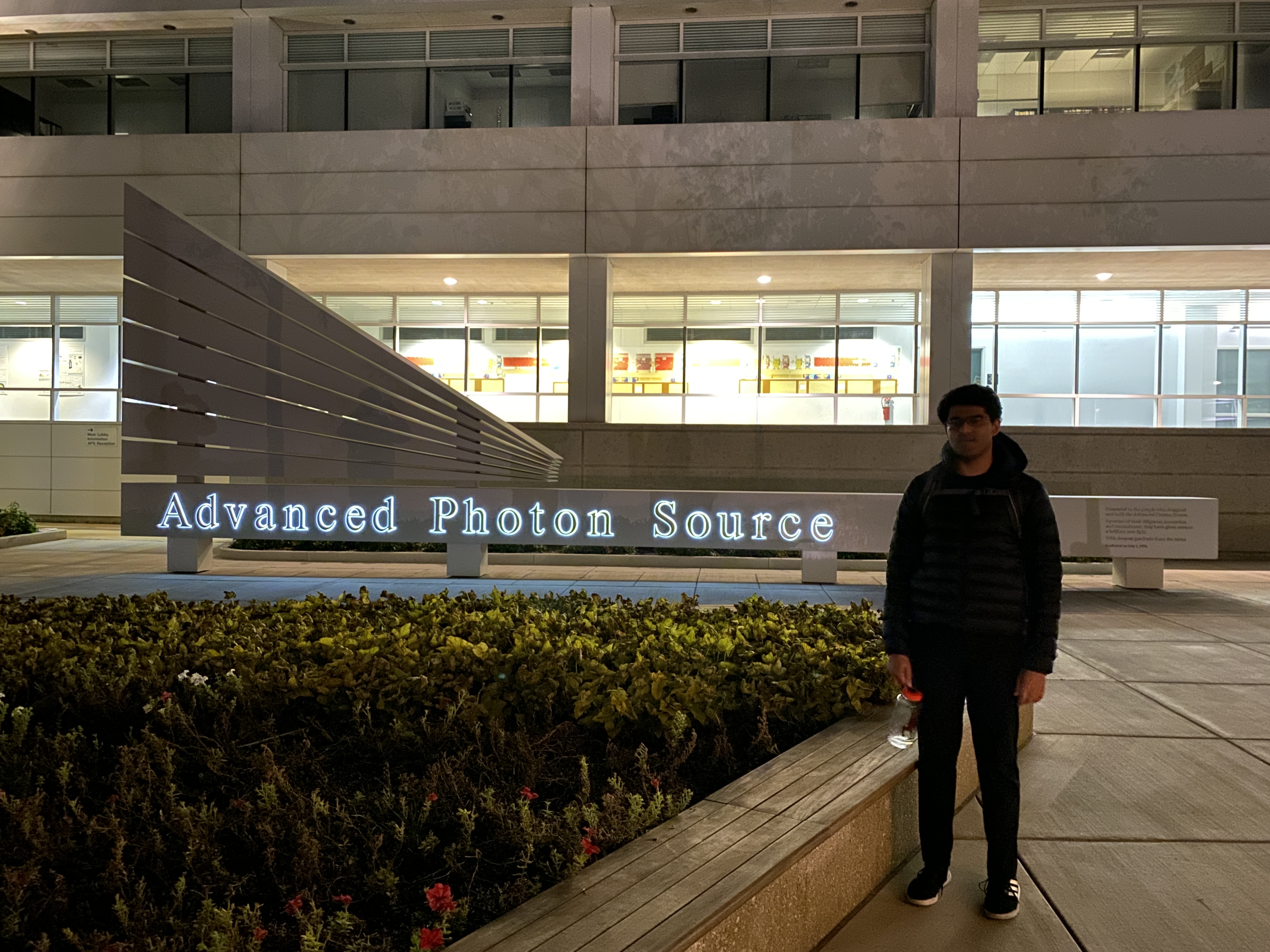
This gradually became my favorite album of the year (other great songs are in there, such as I’m 49.) Now that the virus is crawling and the internet functions at the Terahertz speeds, we’ve gone full circle. Continue readingOver the last two years, I had a chance to visit a few synchrotron around the world!
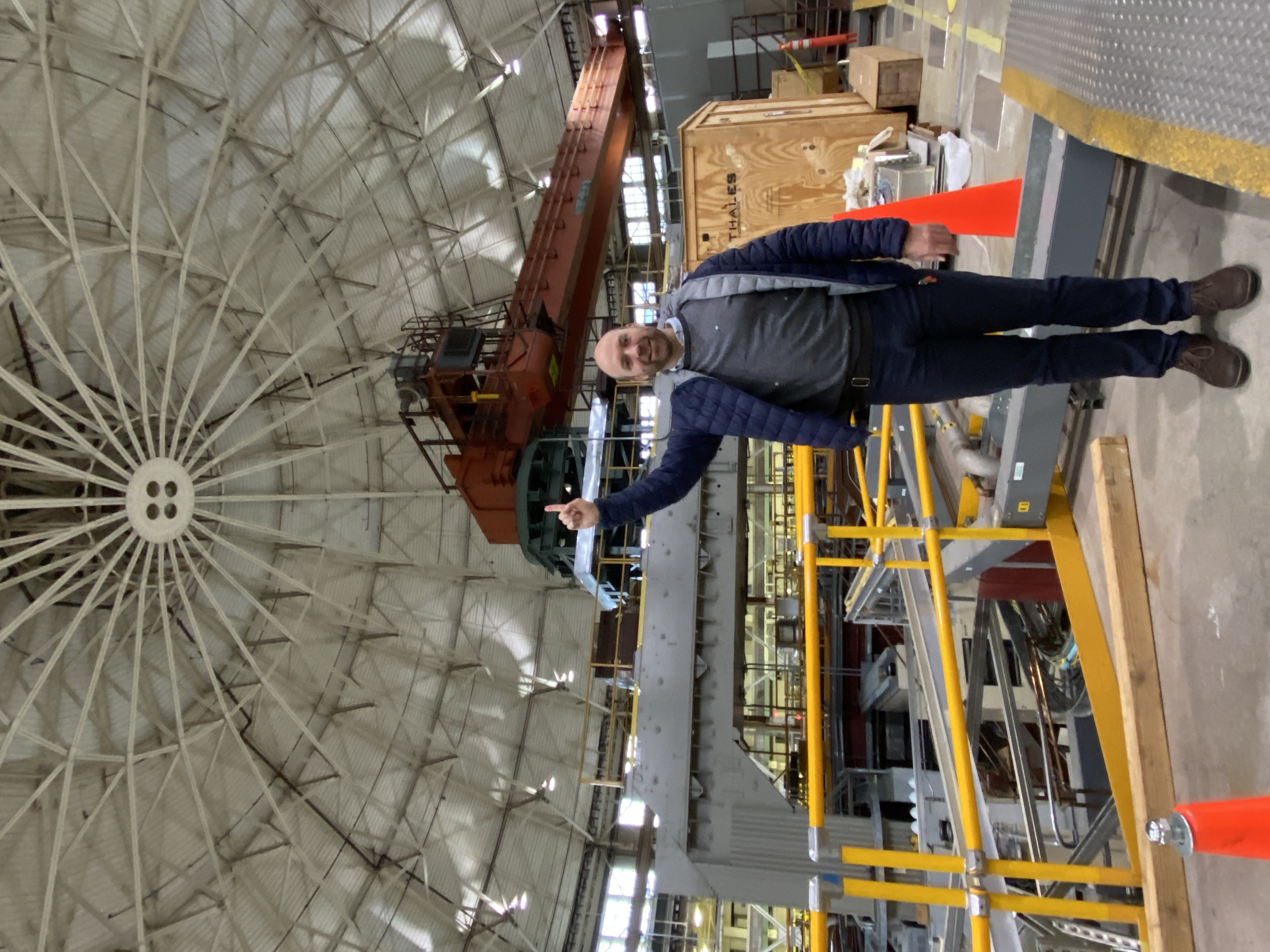
Here’s my fav list:Now I need to visit:
SOLEIL synchrotron (near Paris, France)
Swiss Light Source (Paul Scherrer Institute, near Zurich)
Taiwan Photon Source (Hsinchu, Taiwan)
Elettra sincotrone (Trieste, Italy) – with Luca Gregoratti
Advanced Photon Source, Argonne National Laboratory (near Chicago, IL) – with Gautam Gunjala (UC Berkeley)
Advanced Light Source Lawrence Berkeley National Lab (near San Francisco, CA) – with Claudi Mazzoli (from NSLS-II, Brookhaven)
Here is a selection of the most notable advances in science and technology over the last twenty years.
I’ve collected these from people working around me (there may be a Berkeley Lab or Optics bias!) or by looking at what around me had made life different (a an Academic life or California bias!) They are listed in no particular order, but the ordering tries to highlight some relationship between the topics. Continue reading
We were awarded CD-3A, yay!
Amazing team, and amazing project:)
On Dec. 23 the DOE granted approval for a key funding step that will allow the project to start construction on a new inner electron storage ring. Known as an accumulator ring, this inner ring will feed the upgraded facility’s main light-producing storage ring, and is a part of the upgrade project (ALS-U)
[…]Powerful arrays of magnets bend the beam of electrons, causing it to emit light that is channeled down dozens of beamlines for experiments in a wide range of scientific areas – from physics, medicine, and chemistry to biology and geology. More than 2,000 scientists from around the world conduct experiments at the facility each year.[…]The ALS-U project will keep the facility at the forefront of research using “soft” X-rays, which are well-suited to studies of the chemical, electronic, and magnetic properties of materials. Soft X-rays can be used in studies involving lighter elements like carbon, oxygen, and nitrogen, and have a lower energy than “hard” X-rays that can penetrate deeper into samples.It will also expand access to “tender” X-rays, which occupy an energy range between hard and soft X-rays and can be useful for studies of earth, environmental, energy, and condensed-matter sciences.
Milestone in Advanced Light Source Upgrade Project Will Bring in a New Ring
The first two decades of the twenty first century are over! I’ve spent more than half of my life there, and here’s a very incomplete list of what I admired the most in the creative genius of the human mind!
The XX – XX Continue reading